Why the M109R Costs You More Than Comfort on Twisties
We break down how the Suzuki Boulevard M109R behaves when you force it around tight corners, and why most reviews gloss over the real cost to your confidence. The guide shows where the bike wins, where it loses, and what you have to spend to make it tolerable.
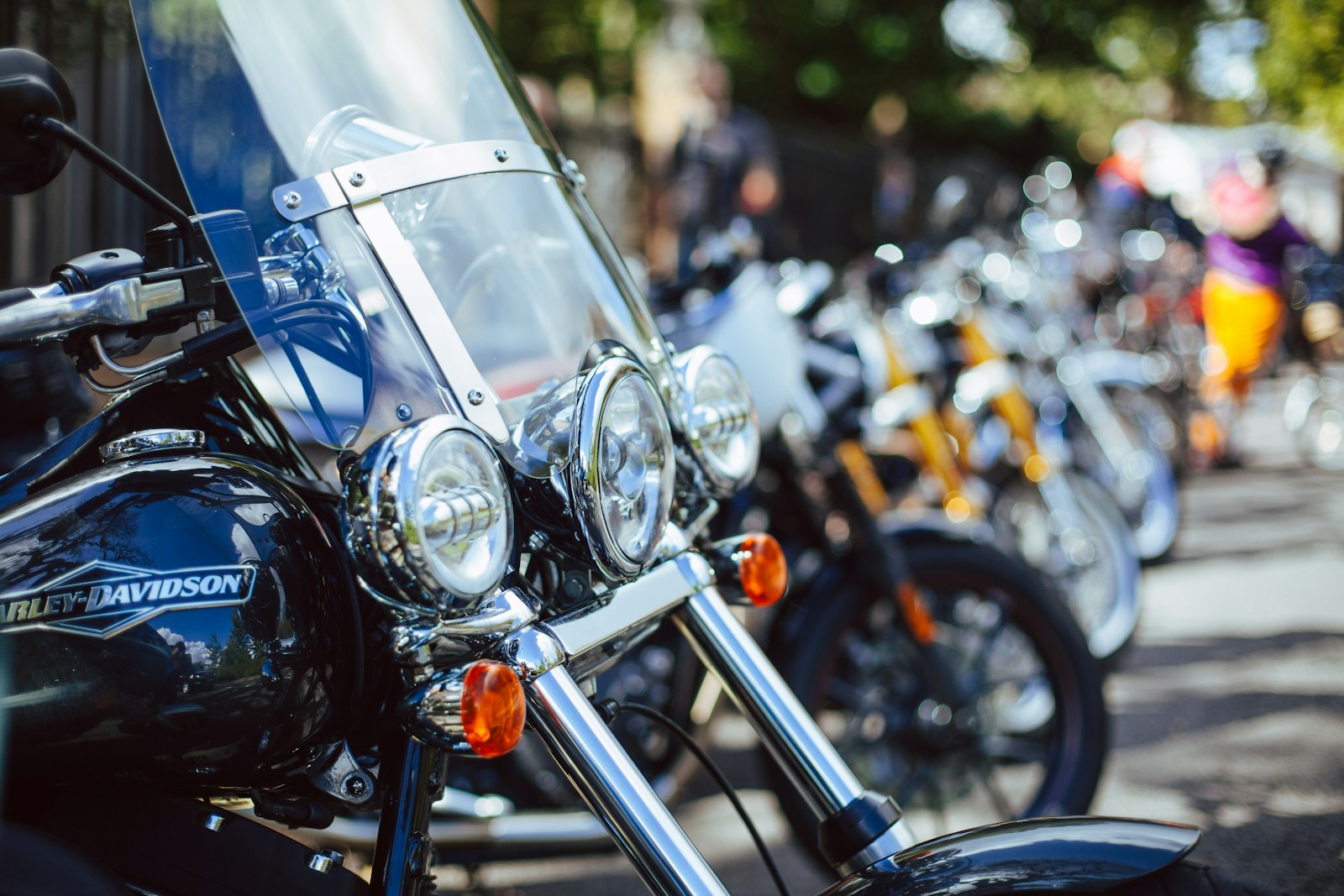
The moment you spot a 1,800‑lb cruiser perched at a canyon hairpin, the brain flips between admiration and dread. You either dream of a thunderous roar hugging the apex, or you picture the bike dragging its rear into the gravel while your wallet swells from aftermarket parts you’ll need to buy before the first curve. That tension—money versus safety on a road that refuses to stay straight—defines the whole M109R experience.
Does the M109R even belong in the cruiser family?
Most showroom flyers label the M109R a “muscle cruiser,” but the term hides a fundamental mismatch. Its 1,800‑pound curb weight dwarfs the average cruiser that hovers around 850‑pound, meaning inertia is not a concept you can ignore. The bike’s 170‑horsepower V‑twin shoves that mass forward with a grunt that feels more like a boxer’s jab than a cruiser’s lazy swing.
When you compare it side‑by‑side with a classic Boulevard C50, the torque curve looks identical on paper, yet the M109R’s heavier chassis turns that torque into a wall of force that resists quick direction changes. The result: a bike that loves straight‑line acceleration but snarls at anything resembling a series of S‑curves.
How does the weight affect corner entry?
Weight alone dictates how fast you can lean before the tires lose grip. With the M109R, the front fork must swing a kilogram‑filled lever, and the rear swingarm carries the bulk of the mass. The first 30 degrees of lean feel like you’re dragging a small tractor behind you; the bike resists, and the throttle response lags just enough to make you second‑guess the entry speed.
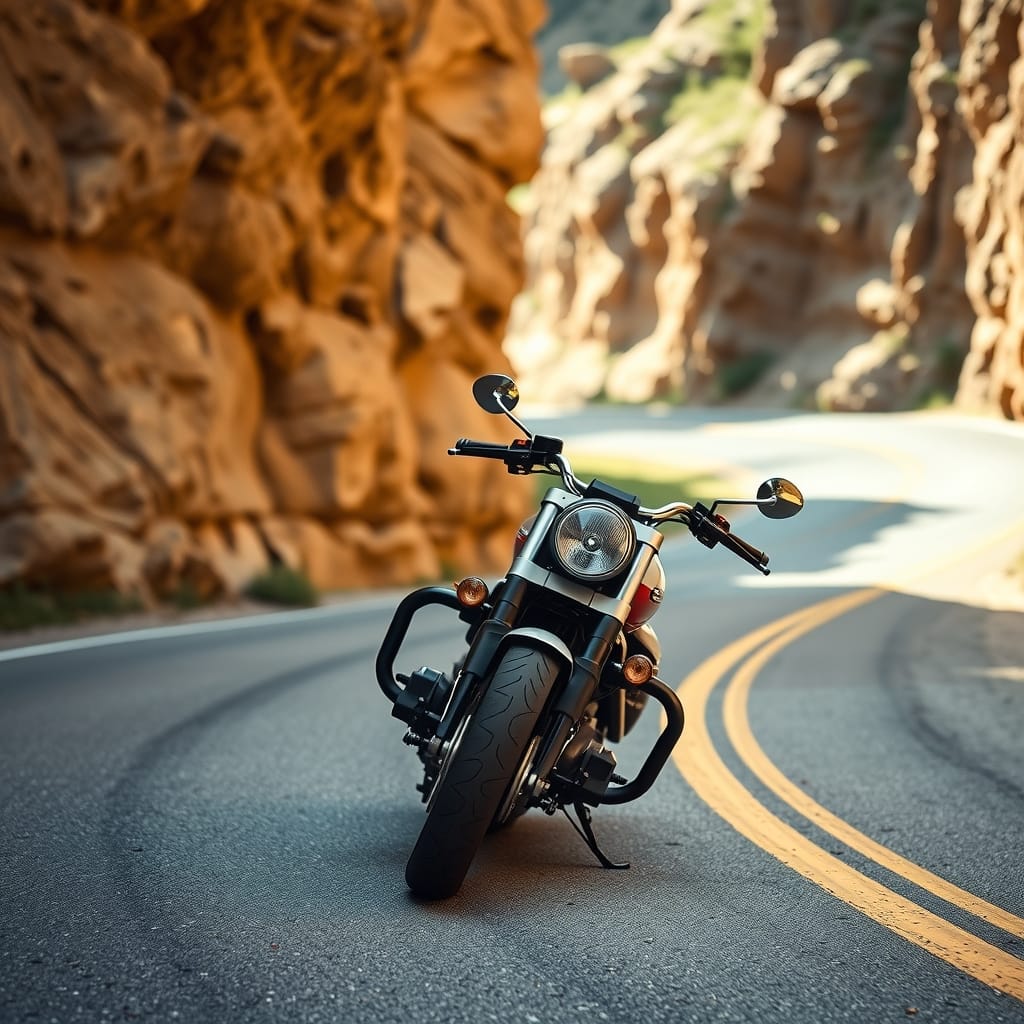
Riders who have tried to tuck into a 45‑degree hairpin often report a “push‑off” sensation— the bike wants to straighten out, demanding a sudden feathering of the clutch to keep the line. That habit, if unpractised, can lead to low‑side falls because the rear tire suddenly loses traction as the weight shifts forward earlier than expected.
What does the V‑torque feel like in tight bends?
The M109R’s 1,200‑cc V‑twins produce a low‑end torque that is both a blessing and a curse. On a straightaway, the surge feels like a rolling thundercloud you can ride without thinking. In a tight bend, that same torque can overwhelm the rear tire the instant you roll on the throttle.
Many riders discover that a half‑twist of the throttle at 30 miles per hour sends the rear wheel into a wobble that the massive swingarm can’t dampen quickly. The solution many adopt is to keep the throttle almost closed until the bike is fully leaned over, then gently roll on power. It’s a technique that feels counter‑intuitive for a bike marketed as “muscle.”
How does the suspension stack up against lighter sport machines?
The M109R ships with a 43‑mm cartridge fork up front and a dual‑shock rear, tuned for comfort on highways rather than agility on mountain passes. Sport bikes that dominate twisty roads often feature inverted forks with adjustable preload and rebound, allowing riders to dial in a stiffer feel for quick transitions.
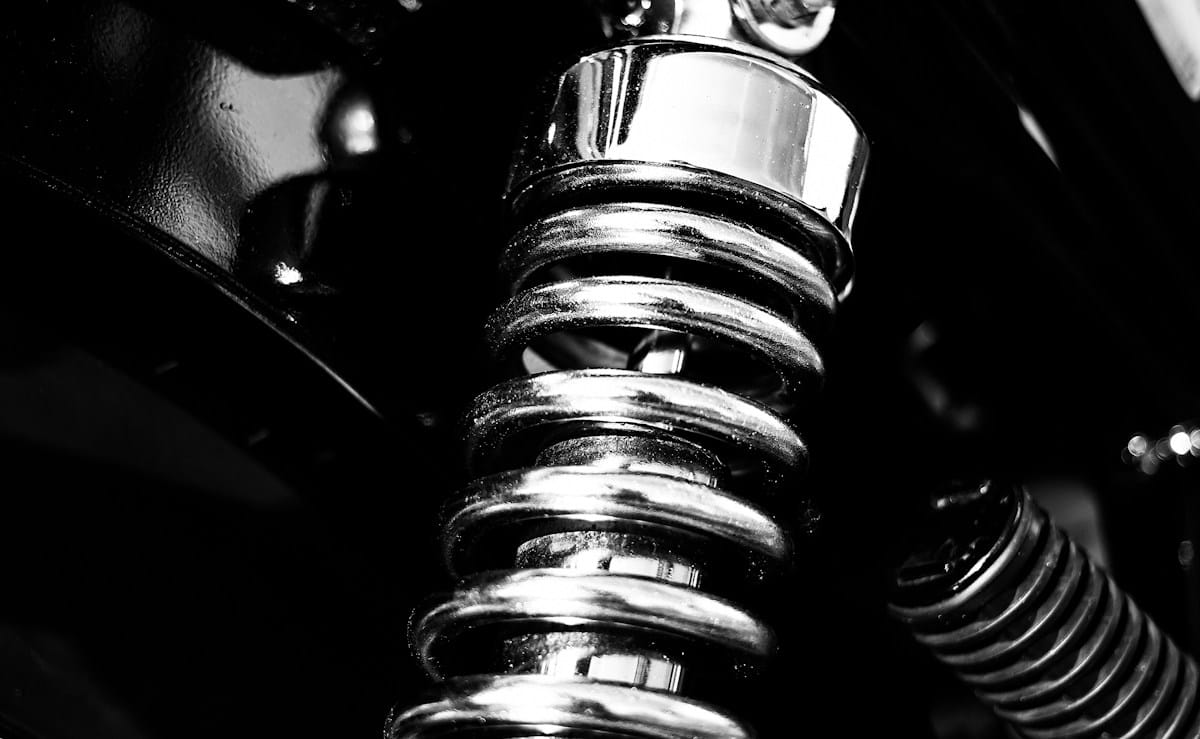
When you swap the stock springs for a set of aftermarket progressive-rate units—costs typically range from $250 to $500 per fork—you’ll notice a modest reduction in dive, but the overall geometry remains bulky. The rear shock, even when upgraded with a high‑flow valve, can’t fully compensate for the bike’s long wheelbase, which stays around 67 inches, a dimension that forces you to widen your turning radius by several feet compared with a 60‑inch sport chassis.
Practical steps to tame the beast (cost ranges included)
- Lower the seat and adjust the footpegs – Dropping the seat by an inch and moving footpegs forward costs about $30 for a new seat pad and $15 for a set of adjustable pegs. The lower center of gravity eases the lean angle needed for tight corners.
- Install a steering damper – A hydraulic damper priced between $120 and $250 reduces sudden fork wobble during aggressive throttle changes. It’s a small investment that can prevent a low‑side on a rainy canyon road.
- Fit a rear‑swingarm brace – Reinforcing the swingarm with a brace costs $80‑$150 and helps keep the rear wheel planted when you’re thrusting out of a corner. The brace also cuts flex that otherwise translates into a jittery feel.
- Upgrade to a dual‑adjustable rear shock – Expect to spend $400‑$700 for a shock that lets you fine‑tune preload and rebound. This upgrade narrows the gap between cruiser comfort and sport‑bike responsiveness.
- Add a lightweight aftermarket exhaust – Swapping the stock muffler for a titanium unit, priced $350‑$600, shaves a few hundred pounds off the rear and slightly sharpens throttle response, making the bike feel less sluggish in bends.
Each modification targets a specific deficiency without turning the M109R into a full‑blown sportbike. The cumulative spend can stay under $1,500 if you prioritize the damper and footpeg adjustments, or climb toward $2,500 if you pursue every upgrade listed.
What to double‑check before you sign any paperwork
- Verify the VIN matches the factory specifications for weight and suspension; some dealers ship a “track‑ready” version that already includes heavier components.
- Confirm the warranty covers aftermarket forks, shocks, and steering dampers; many manufacturers void coverage once you replace any of the original suspension parts.
- Ask for a test ride on a road that includes at least one tight corner; a straight‑line run won’t reveal the handling quirks that become obvious when the bike is forced to change direction quickly.
- Review the return policy for any installed accessories; some shops treat performance parts as non‑returnable even if they don’t solve the handling issue you expected.
If those boxes are ticked, you’ll avoid the most common financial surprises and walk away with a cruiser that, while still heavy, behaves predictably when the road demands more than a simple cruise.
Keep reading
Scout vs. Bolt: Which Seat Saves Your Back After 50‑Mile Rides?
We compare the Indian Scout and Yamaha Bolt on the factor that kills most cruiser newbies – saddle fatigue. Most reviews glorify chrome and torque while ignoring how the seat actually feels after a day on the highway.