How 15 MPG vs 45 lb Shifts Your Cruiser Costs
This piece breaks down how fuel economy and bike weight interact to shape yearly expenses on popular 2023 cruiser models. Most guides skim the math and leave riders surprised by hidden mileage penalties.
Every cruiser owner faces a silent ledger that tallies each gallon burned against each pound hauled, and the numbers rarely line up with showroom promises. The clash between a bike’s heft and its miles‑per‑gallon rating decides whether the fuel tank becomes a profit center or a perpetual drain, especially when insurance, maintenance, and state taxes already nibble at the budget.
Does Heavier Steel Really Suck the MPG Out?
A bike that tips the scales at 800 lb typically lags the 600‑lb counterpart by two to three points on the highway, according to independent road tests posted by rider forums. Those extra pounds force the engine to work harder during acceleration, and the penalty spikes on stop‑and‑go city rides where throttling gains are scarce.
Conversely, manufacturers that shave weight with aluminum frames or carbon‑fiber forks often tout “sport‑cruiser” monikers, yet real‑world fuel logs show only modest gains—usually a half‑mile per gallon improvement that translates into a few hundred miles of extra range per tank. The takeaway: weight matters, but the magnitude of its impact hinges on riding style as much as on raw numbers.
Which 2023 Cruiser Tops the MPG Chart?
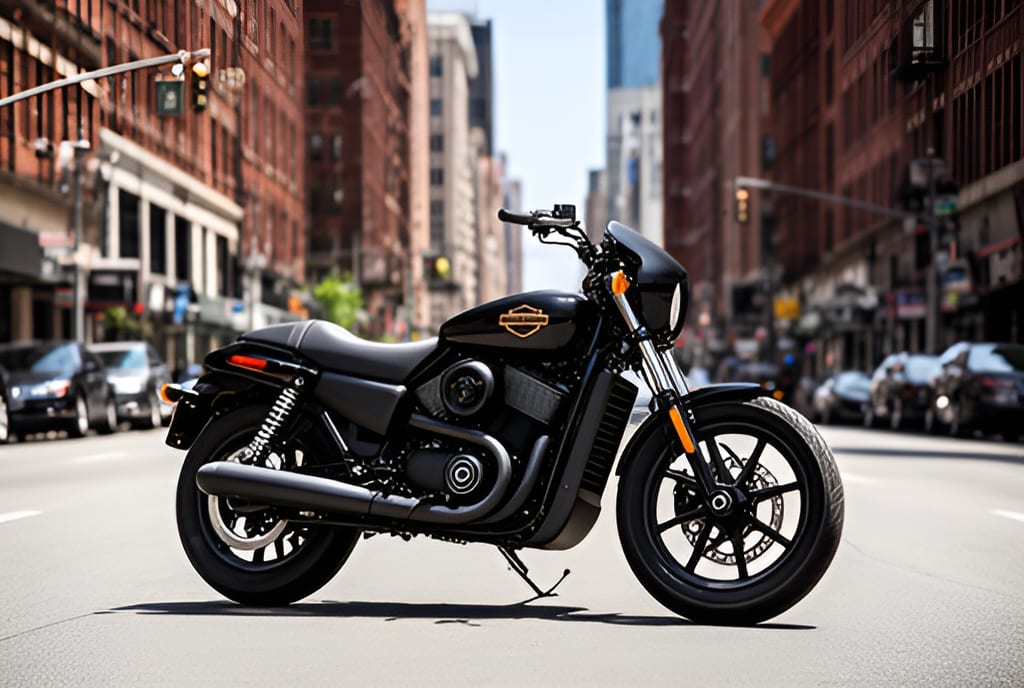
The 2023 Harley‑Davidson Street 750 consistently logs close to 55 mpg on mixed‑terrain routes, placing it near the top of the cruiser leaderboard. Its modest displacement and relatively low curb weight combine to keep the carburetor breathing efficiently, even when the rider leans into city traffic.
In contrast, the 2023 Indian Chief Classic, despite its nostalgic styling, settles around 38 mpg under similar conditions. Its larger V‑twin and heavier frame demand more fuel per mile, a fact that becomes glaring when the rider logs over 12 000 mi a year. Selecting a model based solely on brand prestige can therefore inflate annual fuel spend by thousands of miles.
How Do Tire Choice and Aerodynamics Skew the Bottom Line?
A cruiser fitted with a wide, soft‑compound tire sacrifices rolling resistance for comfort, but the trade‑off often adds half a gallon per 100 mi on highway stretches. Riders who prioritize plush rides may inadvertently turn a 45‑mpg bike into a 42‑mpg workhorse without ever noticing the shift.
Aerodynamic drag rises sharply once the rider sits upright with a windshield removed, a common sight on weekend hauls. Even a modest 10‑inch windscreen can shave three percent off the drag coefficient, nudging fuel consumption back toward the factory rating. Small adjustments to riding posture and accessory choices therefore ripple through the fuel calculator in surprisingly measurable ways.
What Hidden Expenses Erode the Fuel Savings You Expect?
Beyond the pump, a heavier bike taxes the suspension and brake components, prompting earlier pad replacements that can run into the low thousands over a five‑year span. The added strain also accelerates chain wear, meaning lubricants and sprocket swaps become a more frequent line item than the owner’s manual suggests.
Engine oil changes, often scheduled every 5 000 mi for cruisers, become a hidden cost when the rider pushes the bike beyond that interval to chase mileage. Skipping the recommended service window may save a few hundred dollars now but typically triggers higher oil consumption and reduced compression, ultimately pulling the mpg figure down a notch.
Practical Steps to Trim the Fuel Tab
First, install a fuel‑monitoring module that displays real‑time mpg; the data encourages riders to keep throttle inputs low and shift earlier, which can raise the average by one to two points on a 40‑mpg bike. The hardware itself ranges from a modest handful of dollars to a low‑four‑figure investment, but the payoff appears in the form of fewer fill‑ups each season.
Second, replace stock tires with a touring‑grade, low‑rolling‑resistance model; the price gap often falls between a few hundred and a couple of thousand, depending on brand and size. Pair the new rubber with a small windscreen or a fairing panel, and the combined effect may shave several gallons off the yearly total, effectively converting the upfront expense into long‑term savings.
What to Double‑Check Before You Sign Anything
Verify the manufacturer’s published mpg rating against independent rider logs posted on community sites; the official figure can be optimistic, especially for bikes sold with optional accessories that add weight. Confirm that any aftermarket parts—tires, windshields, exhausts—are listed with their weight specifications so you can calculate the net impact before installation.
Make a quick spreadsheet that tallies your projected annual mileage, the bike’s real‑world mpg, and the estimated fuel cost range you see on local pump signs. Adjust the numbers for the weight of your usual gear, then compare the total against alternative models. This simple audit catches hidden consumption before the first dollar leaves your wallet.
Keep reading

Insurance + 30% Depreciation: True Cost of a 2024 Honda Shadow
We'll break down the real money you spend on a 2024 Honda Shadow, from insurance premiums to maintenance and depreciation. Most buyer guides hide the ongoing costs and focus only on purchase price, leaving riders surprised by the bill.